Bioactive Products



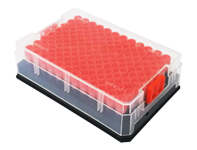
| A unique collection of 674 anticancer natural compounds for high throughput screening (HTS) and New anticancer drug research | ||
| Catalog No: | B91 | Anticancer Compound Library Screening Details |
| Size: | 1mg/well * 674 Compounds 2mg/well * 674 Compounds | |
| Cat. No. | Information |
| CFN99590 | Pachymic acid Pachymic acid has sedative-hypnotic, cardioprotective,antioxidant, and anti-inflammatory activities, it has hypoglycemic activity ,can stimulate glucose uptake, GLUT4 gene expression and translocation, and promoting triglyceride accumulation in adipocytes. Pachymic acid may inhibit proliferation and invasion of ovarian carcinoma cell through decreasing β-catenin and COX-2 expression and increasing E-cadherin exprssion. Pachymic acid is suggested to prevent the complications of oral diseases such as inflammation and alveolar destruction of the oral cavity. |
| CFN99591 | Pseudohypericin Pseudohypericin has photocytotoxic, and antiretroviral activities, it has potential therapeutic value in diseases such as AIDS. Pseudohypericin can inhibit LPS-stimulated PGE2 and NO in mouse macrophages by potentiating suppressor of cytokine signaling 3 (SOCS3) expression, it has anti-tumor potential. |
| CFN99593 | Sanggenone C Sanggenone C inhibits tumor cellular proteasomal activity and cell viability, via induction of cell cycle arrest and cell death , inhibiting the proteasome function. It inhibited NO production and iNOS expression by suppressing NF-κB activity and IκBα activation; inhibited TNF-alpha -stimulated PMN-HSC adhesion and expression of VCAM-1 by suppressing the activation of NF-kappaB. |
| CFN99597 | Sennidin A Sennidin A, has two hydroxyanthraquinone-like moieties, exerts inhibition on NS3 helicase with IC50 values of 0.8 uM. Sennidin A in combination with necrosis inducing drugs/therapies may generate synergetic tumoricidal effects on solid malignancies by means of primary debulking and secondary cleansing process. It stimulates glucose incorporation in the phosphatidylinositol 3-kinase (PI3K)- and Akt-dependent in rat adipocytes, but in the IR/IRS1-independent manner. |
| CFN99599 | Sinensetin Sinensetin is a polymethoxylated flavonoids in citrus fruit, as a novel antiangiogenesis agent, has potential for anti-carcinogenesis, antitumor, and cardiovascular protective activities. Sinensetin has antioxidative effect and has anti-inflammatory by regulating the protein level of inhibitorκB-α, it enhances adipogenesis and lipolysis by increasing cAMP levels in adipocytes. |

