Bioactive Products



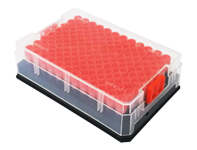
| A unique collection of 60 Toxicity natural compounds for screening | ||
| Catalog No: | Bb201 | Toxicity Compound Library Screening Details |
| Size: | 1mg/well * 60 Compounds 2mg/well * 60 Compounds | |
| Cat. No. | Information |
| CFN97051 | 2,4-Dihydroxyphenylacetic acid 2,4-Dihydroxyphenylacetic acid is a functional moiety in the toxin molecule and the biological action of spider toxin is explained by direct interaction with an Fe-S center which is known to play an important role for the glutamate binding. |
| CFN97150 | Spathulenol Spathulenol has immunomodulatory effect. Spathulenol shows the capacity to inhibit proliferation in the lymphocytes and to induce apoptosis in these cells possibly through a caspase-3 independent pathway; it presents moderate or low cytotoxicity with IC50 higher than 6uM, it is a good candidate to be used in combination chemotherapy of MDR cancer. |
| CFN00293 | N-Acetylnorloline High levels of N-acetyl norloline and peramine may be of particular importance for developing 'friendly' endophyte-enhanced turf and pasture grasses that resist challenging lepidopteran pests. N-acetyl norloline, which is produced by the Max P endophyte, may be responsible for a new form of toxicity called equine fescue oedema in horses. |
| CFN00345 | Anacrotine Anacrotine produces much more severe lung damage than most other pyrrolizidine alkaloids. |
| CFN00351 | Isoline Isoline can induce different oxidative injury in various important mouse organs, and of which liver is the most sensitive organ. Isoline decreases the cellular GSH and the ratio of GSH and oxidizes glutathione in a time- and concentration-dependent manner in L-02 cells. l-Buthionine-(S, R)-sulfoximine (BSO) and mercaptosuccinic acid (MA), inhibitors of GCL and GPx, both augmented Isoline-induced cytotoxicity in cultured mice hepatocytes. |

